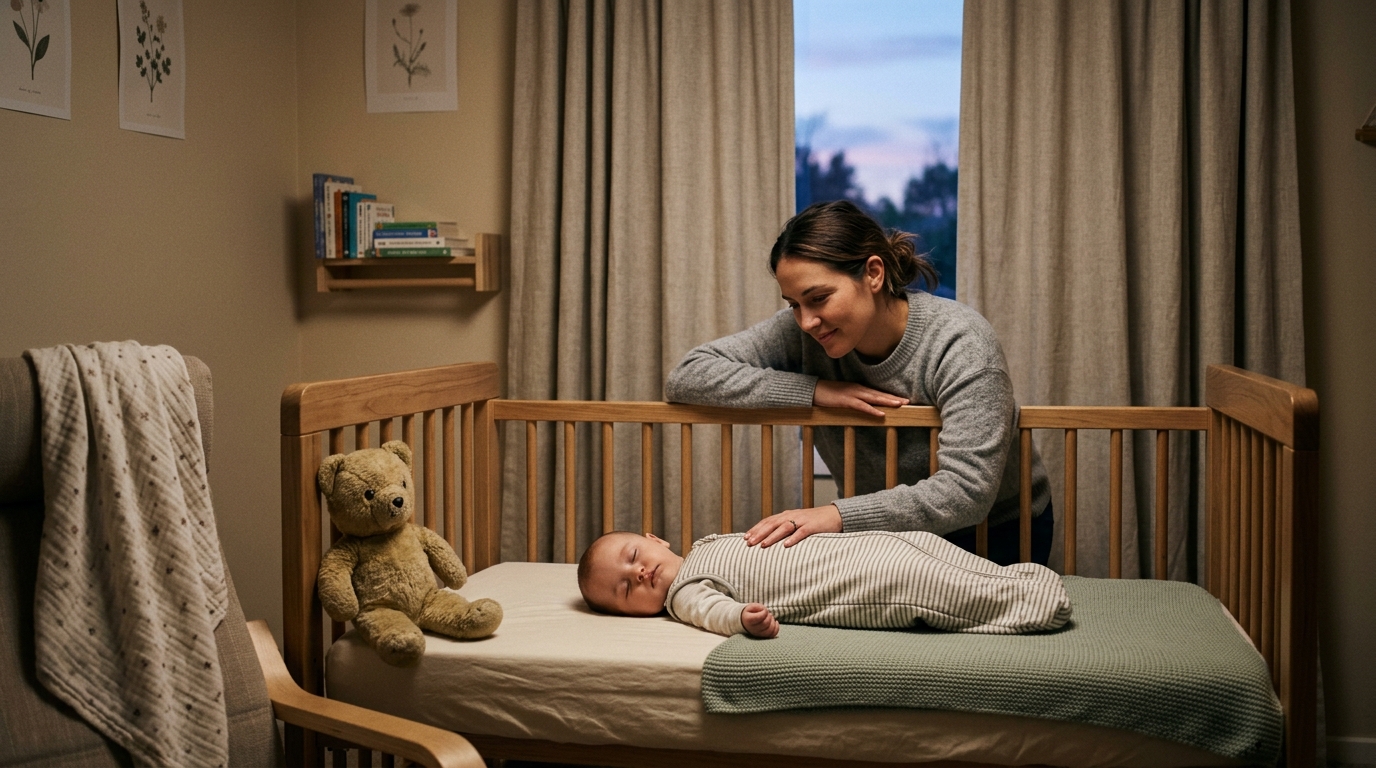
Toddler Waking at 5am: A Gentle Guide to Shifting Early Risers
A toddler waking at 5am often occurs because their sleep pressure has fully dissipated after 9 to 10 hours of rest, or due to a 'split night' caused by excessive daytime napping. Adjusting bedtime by just 15 minutes or ensuring the room remains pitch black until 6am can successfully shift their circadian rhythm within 7 to 10 days.
Disclaimer: This article provides general information and does not constitute medical advice. If you have concerns about your child’s health, growth, or development, please speak to your GP or health visitor.
It is the sound no parent wants to hear through the baby monitor: the cheerful babbling or the insistent call for 'Mummy' or 'Daddy' when the world is still shrouded in darkness. When you have a toddler waking at 5am, it feels as though your day has started before you’ve even had a chance to process the night. You are not alone; early rising is one of the most common challenges faced by parents of children aged 18 months to 3 years.
At Nourished Nights, we understand that these early starts are more than just an inconvenience; they lead to long-term exhaustion for the whole family. However, rather than turning to restrictive methods, we believe in looking at the 'why' behind the wake-up. By understanding the science of sleep and child development, we can make gentle, responsive adjustments that respect your child's needs while protecting your own rest.
Why is my toddler waking at 5am?
To solve the 5am wake-up, we must first understand the biological forces at play. By 5am, your toddler has likely been asleep for 9 or 10 hours. During this time, the 'sleep pressure' (built up by a chemical called adenosine) has largely evaporated. Simultaneously, the body’s core temperature begins to rise, and a small surge of cortisol, the alertness hormone, is released to prepare the body for waking. This makes the final hours of sleep very 'light' and easily disrupted.
Common culprits for these early starts include:
- The Sleep Pressure Gap: If a toddler has too much sleep during the day, they simply aren't tired enough to sleep past 5am.
- Overtiredness: Paradoxically, if a child goes to bed too late or is overstimulated, their body produces extra cortisol and adrenaline, which can cause them to wake early and be unable to get back to sleep.
- Environmental Triggers: Birds chirping, the central heating clicking on, or a sliver of sunlight peeking through the curtains can be enough to pull a toddler out of a light sleep cycle.
- Hunger: A toddler’s metabolic rate is high; if dinner was early or they are going through a growth spurt, a 5am tummy rumble is a real possibility.
Is 5am a normal wake-up time for toddlers?
In the world of child development, 'normal' is a broad spectrum. Biologically, most toddlers are naturally programmed to wake between 6am and 7:30am. However, some children are naturally 'early birds.' If your toddler wakes at 5:30am but is happy, energetic, and meets their developmental milestones, this may simply be their natural rhythm. However, if they wake at 5am crying, irritable, and showing signs of tiredness by 9am, it is a sign that the wake-up is premature and they haven't finished their restorative rest.
| Wake Time | Interpretation | Action Needed |
|---|---|---|
| Before 5:00am | Night waking | Treat as a night wake; keep lights off and respond responsively. |
| 5:00am - 6:00am | Early rising | Investigate sleep pressure, environment, and routine. |
| 6:00am - 7:30am | Biological Norm | Standard wake window; usually considered a successful night. |
How does daytime sleep affect early rising?
Daytime sleep and night-time sleep are intrinsically linked. If your toddler is still taking a long midday nap, it might be 'stealing' from their night-time sleep bank. For example, a 2-year-old typically needs about 12 to 13 hours of sleep in a 24-hour period. If they nap for 2.5 hours in the afternoon, they may only 'need' 10 hours at night. If bedtime is 7pm, their body will naturally be ready to start the day at 5am.
It is helpful to refer to a guide on Understanding Baby Naps by Age to see if your toddler’s daytime rest aligns with their developmental needs. As children approach the age of three, many begin to drop their nap entirely. During this transition, you may find that on days they nap, they wake early, but on days they don't, they sleep until 7am. Balancing this transition requires a gentle sleep support approach that prioritises the child's mood over a rigid schedule.
The impact of the sleep environment
Because sleep is so light between 4am and 6am, the environment must be perfect to encourage a toddler to transition back into another sleep cycle. Even the smallest amount of light can signal to the brain that it is time to stop producing melatonin (the sleep hormone).
Consider these environmental factors:
- Total Darkness: Use blackout blinds or even travel blackout covers to ensure no morning light enters the room. In the UK, summer sunrises can be as early as 4:30am.
- White Noise: This can mask the sound of early morning bin lorries, birds, or neighbours starting their cars.
- Temperature: The Lullaby Trust recommends a room temperature of 16-20°C. If the room drops below this in the early hours, your toddler may wake from the cold.
At Nourished Nights, we often find that a simple environmental tweak can buy an extra 30-45 minutes of sleep without any other intervention.
How to respond to early wakes without cry-it-out
When your toddler wakes at 5am, how you respond matters. Many parents feel pressured to use 'extinction' or 'cry-it-out' methods to 'teach' the child to stay in bed. However, at Nourished Nights, we provide no cry-it-out sleep support. We believe that if a child is awake and distressed at 5am, they need the comfort of their caregiver.
Instead of leaving them to cry, try a 'low-intervention' response. Keep the room dark, keep your voice to a whisper, and avoid starting 'daytime' activities like putting on the TV or offering a full breakfast immediately. If they are in a cot, you might sit beside them and offer a comforting hand. If they have moved to a toddler bed, you might use a gradual retreat approach to slowly reduce your presence as they drift back off. This maintains the attachment bond while gently signalling that it is still night-time.
Is it a "Split Night" or an Early Wake?
It is important to distinguish between a toddler waking at 5am and staying awake, and a toddler who wakes at 3am, stays awake for two hours, and then falls back asleep. The latter is a 'split night.' Split nights are almost always caused by an imbalance in sleep pressure, usually too much daytime sleep or a bedtime that is too early for the child's current needs.
| Feature | Early Rising | Split Night |
|---|---|---|
| Timing | Wakes 5am-5:30am and stays awake. | Wakes in the middle of the night for 1-2 hours. |
| Mood | Often grumpy/tired later in the morning. | Often happy, babbling, and alert during the wake. |
| Primary Cause | Environment, habit, or overtiredness. | Low sleep pressure (too much day sleep). |
If you are struggling to identify which one your child is experiencing, a 2 year old waking at night can often be the result of these complex sleep pressure issues.
Practical steps to shift the wake-up time
If you have ruled out environmental factors and hunger, you can try to 'reset' your toddler's internal clock using these steps:
- The 15-Minute Shift: If your toddler is waking at 5am, they are likely exhausted by 6:30pm. However, putting them to bed earlier can sometimes reinforce the early wake. Try moving bedtime *later* by 15 minutes every three nights. This can help shift the entire sleep block forward.
- Dramatic Wake Up: Even if they wake at 5:15am, try to keep them in the dark until 6am. At 6am, open the curtains wide, say "Good Morning!" and start the day with energy. This helps define the boundary between night and day.
- Morning Light Exposure: Get outside as early as possible in the morning. Natural sunlight helps regulate the circadian rhythm and tells the brain when the 'day' has officially begun.
- Check for Bedtime Anxiety: Sometimes early wakes are driven by a desire for connection. If your child is experiencing toddler bedtime anxiety, they may wake early and immediately seek you out to ensure you are still there.
When to seek professional support
Changing sleep patterns takes time, patience, and consistency. It is rarely a linear process. If you have tried the basics and your toddler is still waking at 5am, it might be time for a more personalised approach. At Nourished Nights, we offer a Sleep Clarity Call (£95) where we can dive deep into your specific routine and identify the 'missing piece' of the puzzle. For families needing more hands-on support, our Calm Nights Reset provides two weeks of 1:1 guidance to help you navigate these transitions without ever compromising on your responsive parenting values.
FAQ
Should I give my toddler a dummy if they wake at 5am? If your toddler uses a dummy and it helps them settle back to sleep for another hour, it is perfectly fine to use it responsively. However, if they are waking because the dummy has fallen out and they cannot find it, it may be contributing to the wake-up.
Does an early bedtime cause early waking? It can. If a child’s sleep need is 11 hours and they go to bed at 6pm, they will biologically be finished with sleep by 5am. However, if the wake-up is caused by overtiredness, a slightly earlier bedtime can actually help them sleep later.
Will my toddler eventually outgrow the 5am wake-up? Yes, most children naturally shift their wake times as they grow and their sleep needs change. However, implementing gentle boundaries and environmental changes can help bring that shift forward and restore family harmony sooner.
Is 5am considered a sleep regression? While not a 'regression' in the traditional sense, early wakes often crop up during developmental leaps, such as the 18-month or 2-year milestones, as the brain is busy processing new skills like language and physical autonomy.
Should I feed my toddler at 5am? If you suspect hunger is the cause, you can try offering a high-protein snack (like a banana or some yoghurt) shortly before bedtime. If they wake at 5am, try to delay breakfast until at least 6am to avoid 'rewarding' the early wake with food, which can set an internal food clock.
If you are feeling overwhelmed by early starts, remember that sleep is a journey, not a destination. You are doing a wonderful job supporting your child through these tricky developmental phases. For more support, download our free sleep guide or book a free 20-minute discovery call with Nourished Nights today to see how our gentle, responsive sleep consultant services can help your family get the rest you deserve.